A field notebook of Southwest archaeology
The ancestral Southwest, read layer by layer
The Notebook explains the archaeology of the American Southwest for serious travelers and readers: how the Pecos Classification orders a thousand years of Pueblo history, what the great houses of Chaco Canyon were for, how to tell a petroglyph panel from a casual scrawl, and how to stand inside a cliff dwelling without taking anything away but observations.
Ancestral Puebloans · Chaco · Mesa Verde · Rock art · Pottery · Etiquette
01-06The six strata of the notebook
Six cultural layers, from the first peoples to the way we learn about them, each dug by its own field notes.
-
01
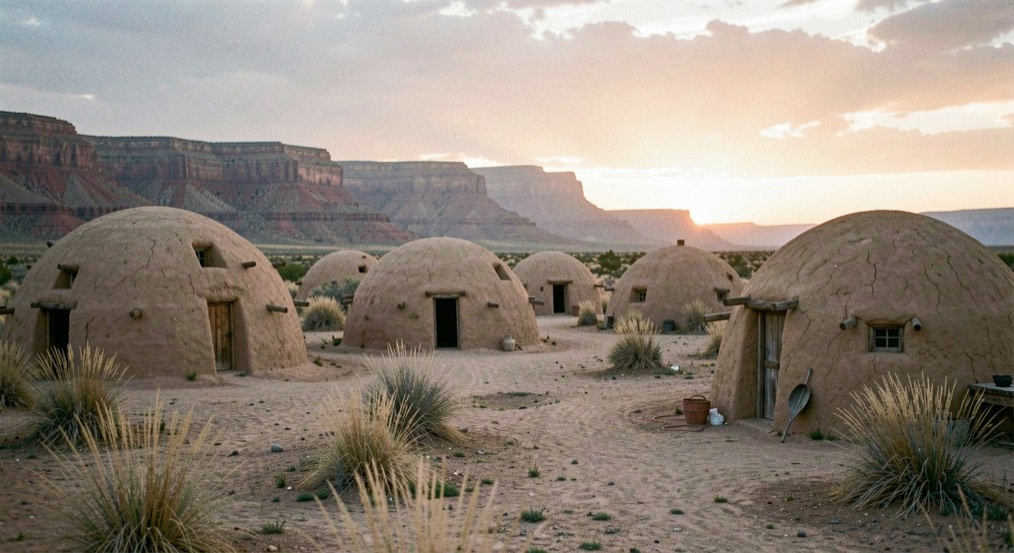
Ancient Peoples
The Pecos Classification, the great migrations and the Mogollon and Hohokam neighbors, told from the evidence rather than the legend.
-
02
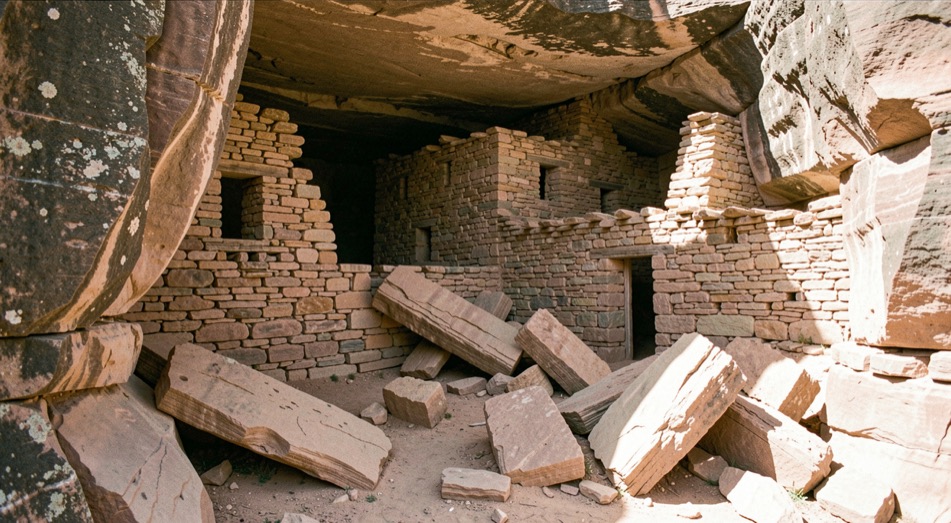
Iconic Sites
Chaco Canyon, Mesa Verde and a comparison table that helps you choose between the landmark ruins before you burn a tank of gas.
-
03
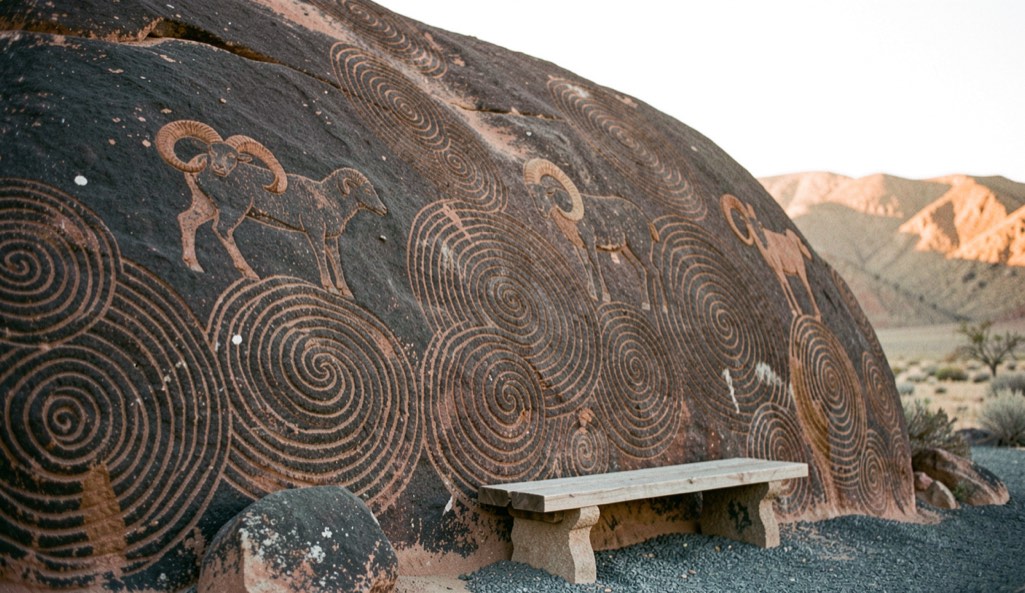
Rock Art & Petroglyphs
Technique first, interpretation second, and a visitor code that keeps the panels for the next century of readers.
-
04
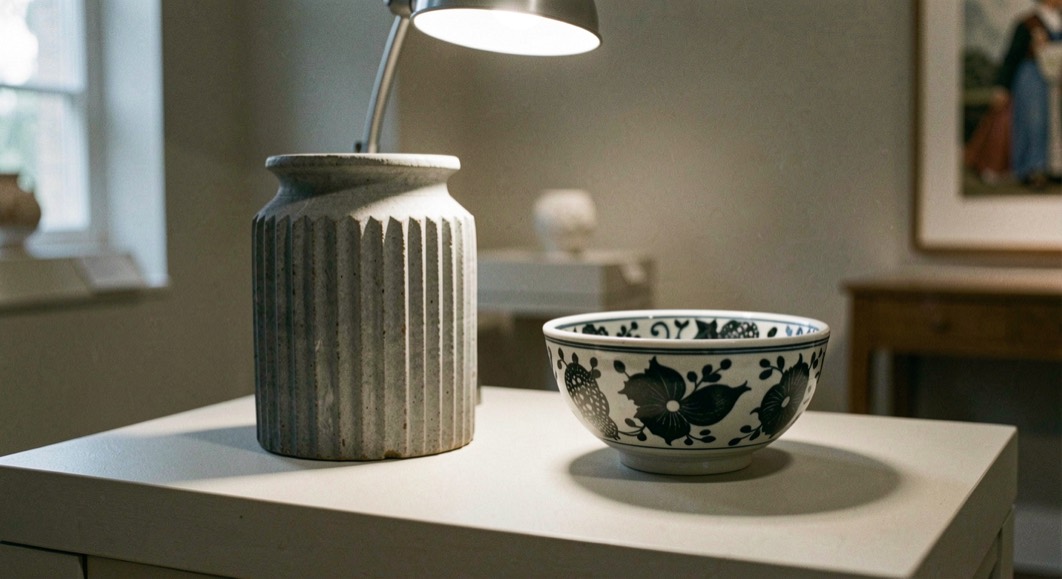
Pottery & Artifacts
The painted history of the ancient Southwest, read one sherd, one type name and one museum case at a time.
-
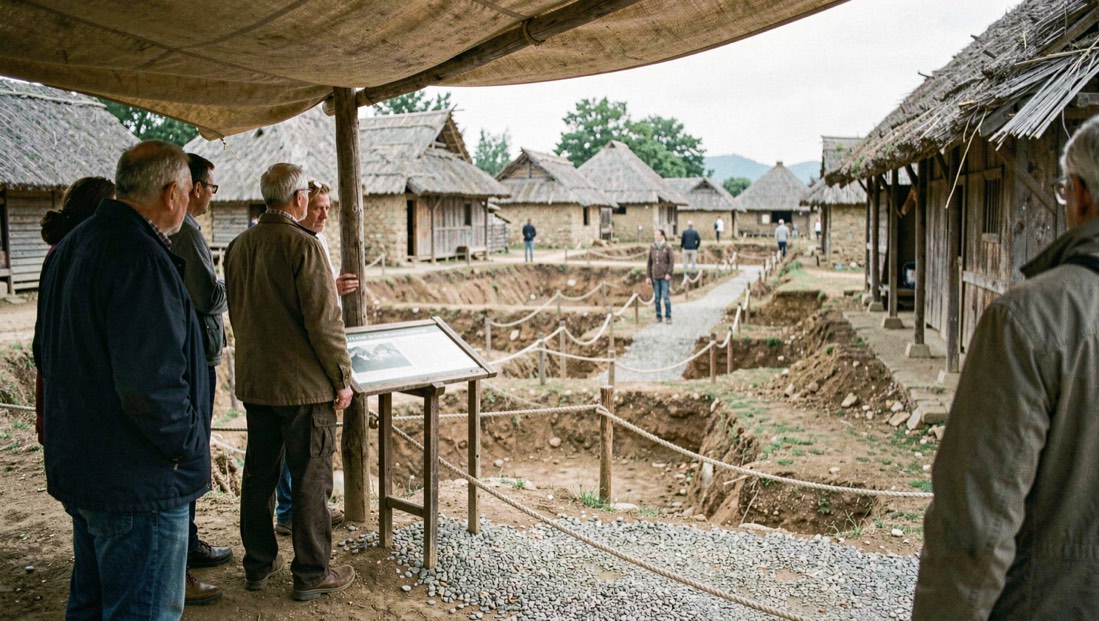
05
Visit Responsibly
Checklists, etiquette and law: everything that happens before and after the visit decides whether the site survives it.
-
06
Learning Resources
Where to go after the notebook: six serious books, and the site steward programs that turn readers into guardians.
NOTEBOOKThe field journal
Every field note we publish, dated, from the six strata of the notebook.
-

· Ancient Peoples
Wild buckwheat on the Colorado Plateau
Wild buckwheat is not the grain in your pantry.
-

· Ancient Peoples
High Plains archaeology in northern Wyoming
A curated site visit in northern Wyoming shows Plains cultures through the plainest evidence: stone circles where tipis once stood, bison bone beds, and rock art panels on sandstone rims above the Powder and Bighorn drainages.
-

· Ancient Peoples
Dogs in the Southwest Archaeological Record
Dogs appear in southwestern archaeological contexts as buried animals, as occasional food remains, and as inferred working partners, but the evidence is uneven and each class of find is read differently.
-

· Ancient Peoples
Hohokam Ballcourts and High School Sports Seasons
The Hohokam of southern Arizona built more than two hundred oval ballcourts between roughly A.D.
-

· Ancient Peoples
Dice and gaming pieces in the ancient Southwest
Dice and gaming pieces recovered from Pueblo, Hohokam and Mogollon contexts show that games of chance were part of daily life in the ancient Southwest, but the objects themselves support only a narrow set of claims.
-

· Iconic Sites
1930s Park Architecture Beside Southwest Ruins
The park buildings of the 1930s in the Southwest were designed to sit beside ruins, not to compete with them.
-

· Rock Art & Petroglyphs
Drawing a Rock Art Panel by Hand
A hand drawing of a rock art panel is a scaled, interpreted record made in the field, not a photograph.
-

· Rock Art & Petroglyphs
Sound in the canyon: acoustics and rock art
Sound is part of the archaeological record at many rock art panels and small sheltered sites, but it is rarely recorded with the care given to the images.
-

· Pottery & Artifacts
Drawing an artifact for publication
A pot illustration decides the vessel’s profile, its scale, and which surface details are legible long before anyone sets up a camera.
-

· Visit Responsibly
Gravel Roads to Backcountry Sites: A Two-Wheeled Approach
A two-wheeled approach to backcountry archaeological sites asks the visitor to plan for surface, season, and distance before leaving pavement.
-

· Visit Responsibly
Taking Children to an Archaeological Site
A visit to an archaeological site works best when the child is at least four or five years old, when the drive is under ninety minutes each way, and when the day is built around two or three short stops rather than a full tour.
-

· Visit Responsibly
Planning a Remote Site Visit: Permits, Roads, Timing
A remote archaeological site visit requires a permit from the managing agency, a vehicle suited to unmaintained roads, and a schedule built around daylight and weather.
-

· Learning Resources
Reading Southwest Sites from Orbit: A Sensor Guide
For a Southwest archaeological survey, the practical answer is to match sensor to feature: Landsat and Sentinel-2 for broad landscape context at 10 to 30 meters, commercial or national high-resolution imagery when you need to see a roomblock or a terrace edge, and a revisit interval short enough to catch the ground before vegetation or snow closes the window.
-

· Learning Resources
Site records in databases: survey data storage
Survey records live in databases the same way they live in the ground: as layers that must be read in order.
-

· Learning Resources
Two Archives of a Western Slope Town
Two archives describe the same Western Slope town.
-

· Learning Resources
Field methods before a first season
A beginner preparing for a first field season should read one general field methods manual cover to cover, practise three skills until they are automatic (mapping, recording, and soil description), and expect the first week to be mostly walking, measuring, and writing rather than digging.
-

· Learning Resources
Children’s Books on the Southwest: A Reading Guide
A shelf of children’s books about the Southwest holds up when the pictures show real places and the text respects the people who live there.
-

· Ancient Peoples
When the sheep came: Navajo pastoralism in the record
The cliff dwellers left in the 1200s; the sheep arrived in the 1600s. The Navajo pastoral landscape layered over the older ruins is a second archaeology, and it is still being lived.
-

· Pottery & Artifacts
Fermentation in the Record: What Residues in Pots Tell Us
A pot that once held a fermented drink keeps the evidence in its pores. Archaeology reads that evidence chemically, and the result connects a nine-thousand-year-old jar to a demijohn on somebody's counter this week.
-

· Pottery & Artifacts
From Sherd to Shelf: What Happens to Excavated Pottery
Between the trench and the museum shelf a pot passes through hands most visitors never see. The decisions made there, wash or not, join or not, restore or leave alone, decide what the object can still say.
-

· Pottery & Artifacts
The design a pot refuses: reserve decoration and the empty space
Some of the most striking Southwest pottery is decorated by what was kept off it. Reserve and negative designs paint the background and let the clay carry the figure, a reversal that takes a second look to read.
-

· Visit Responsibly
Public land between the sites: the rivers that run through archaeological country
Nobody drives from ruin to ruin without crossing the other West: national forest, BLM ground, a river reached by one gravel road. Reading that land is part of visiting the sites.
-

· Visit Responsibly
Fit for the canyon: honest measures before a site day
Mesa Verde asks for ladders, Chaco asks for miles, and the plateau asks for both at altitude. The visitor who measures fitness the way a coach measures an athlete gets more site for the same body.
-

· Visit Responsibly
Hunting and fishing seasons near the ruins
Autumn on the plateau belongs to two calendars at once: the visitor season and the hunting season. Knowing where they overlap is the difference between a quiet week and a surprise.
-

· Visit Responsibly
Mine Waste Then and Now: What the Tailings Standard Changed
Southwest ruins share the map with a younger industrial archaeology: the terraces and dams of the mining era. A modern tailings standard now governs what those deposits should have been.
-

· Learning Resources
Choosing a first archaeology book when none is obvious
Most adults who want to learn archaeology buy the wrong first book: the comprehensive one. The right first book is the smallest one that answers a question you already have, and it earns its place by sending you to a second.
-

· Learning Resources
Reading the museum label: what the small card owes you
A museum label is a compressed argument: who found the thing, where, when, and who vouches for it. Reading it properly takes forty seconds and changes what the object is allowed to tell you.
-

· Learning Resources
Why museums show a replica next to the artifact
When a museum sets a replica beside a real sherd, beam or basket, it is not apologising for the original. It is answering the questions that glass and distance refuse to answer.
-

· Learning Resources
The ledger habit: what a maker's field notes keep
A ledger is a notebook that expects to be audited. The disciplines that keep one, boat builders, lure makers, field archaeologists, share the same arithmetic of fact, date and doubt.
-
· Ancient Peoples
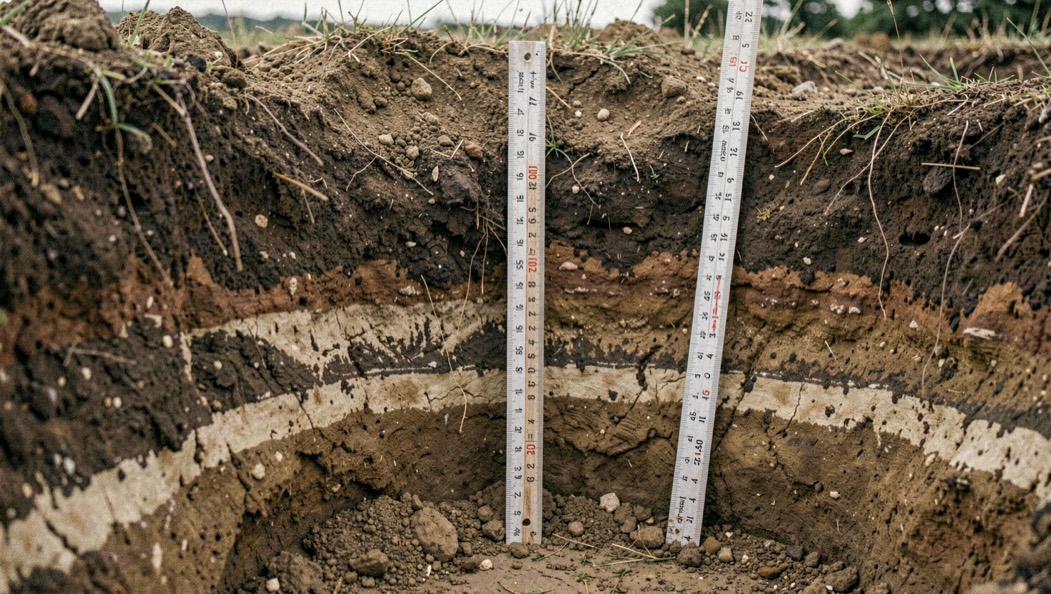
The Pecos Classification, period by period
Every site sign in the Southwest speaks in period names: Basketmaker III, Pueblo II, classic horizon. The scheme behind those words is one hundred years old, remarkably sturdy, and easier to use than most guidebooks admit.
-
· Pottery & Artifacts
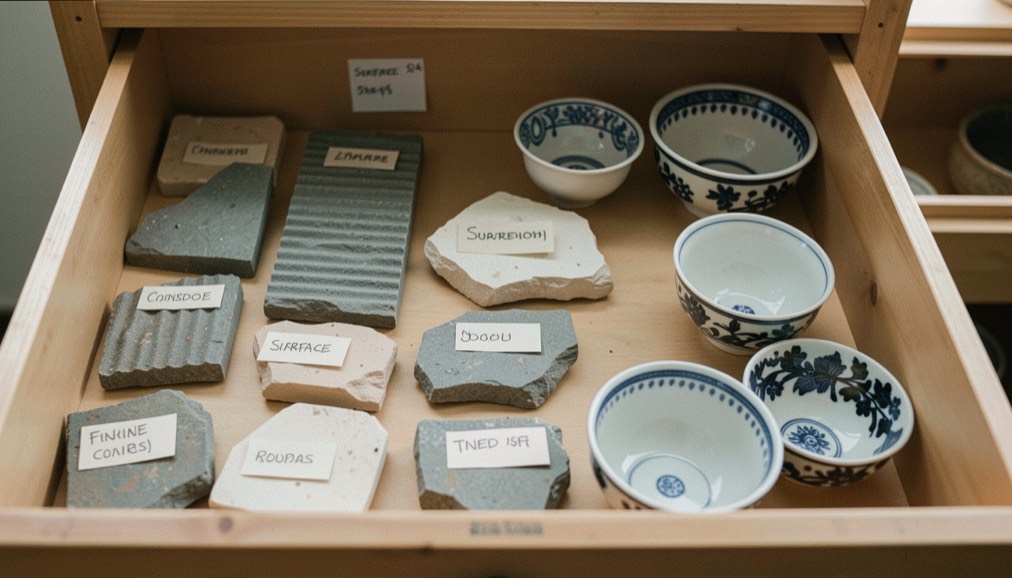
Southwestern pottery types, color by period
A Southwestern sherd is a dated letter from a vanished kitchen. Learn the color system behind the type names and every museum case, ruin trail and excavation report in the region opens like a book.
-
· Ancient Peoples
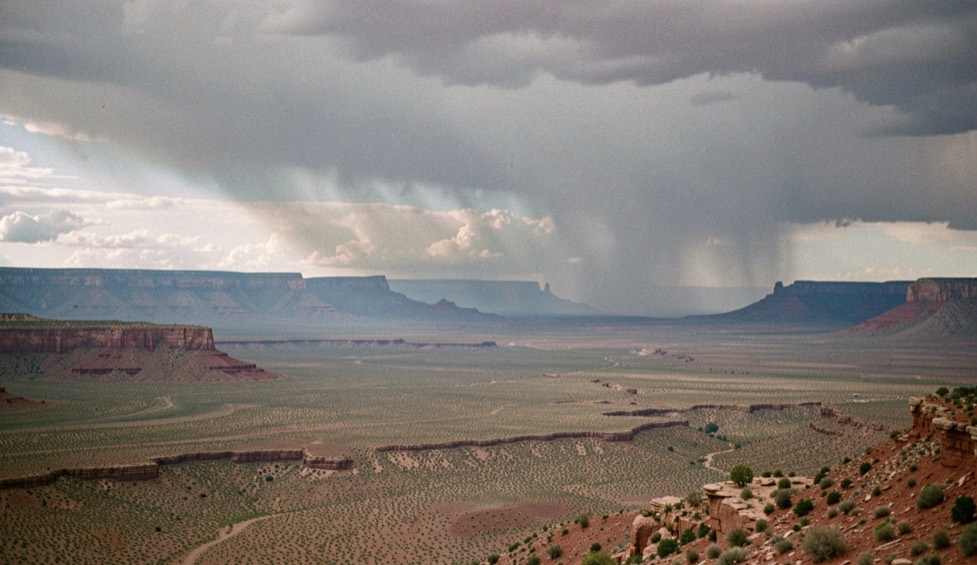
Where the Ancestral Puebloans went
The most durable myth in Southwest archaeology is that a whole people disappeared. The evidence says something quieter and more interesting: villages dissolved, people moved in known directions, and their descendants live where they said they would.
-
· Visit Responsibly
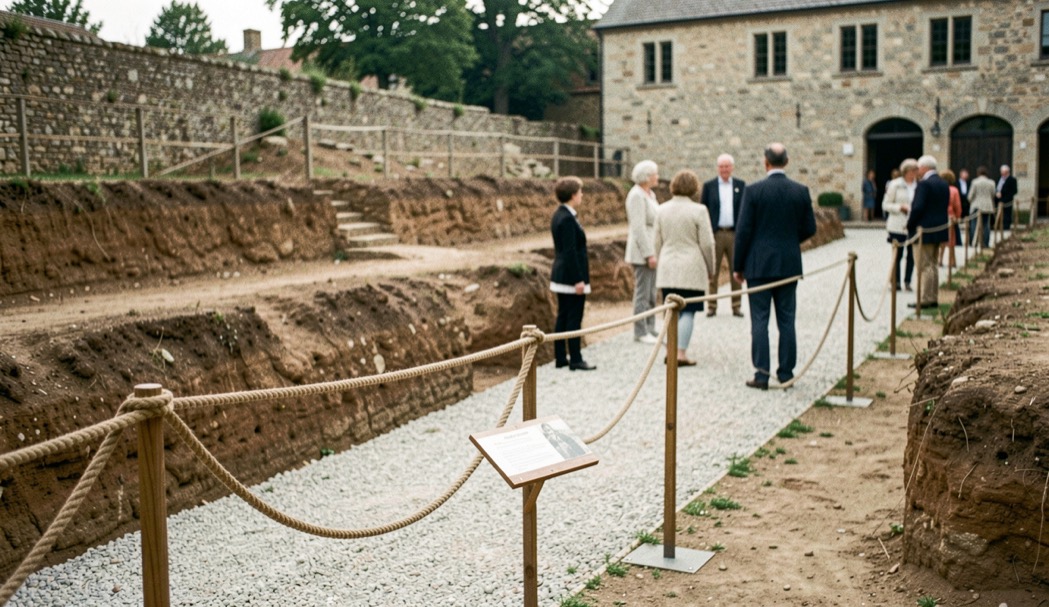
Visiting an archaeological site with care
A ruin visit is easy and it is rule bound, and the rules are not bureaucracy; they are the accumulated reasons sites survive. This checklist carries you from packing the car to leaving no trace that time can blame on you.
-
· Iconic Sites
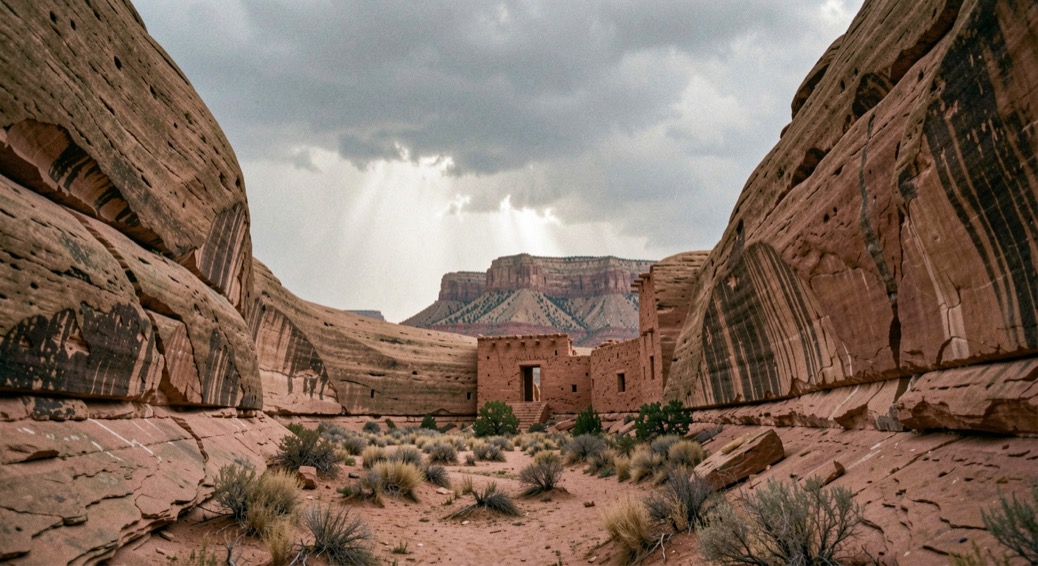
Chaco Canyon: reading the great houses
Chaco is the Southwest at its most architectural and its most argumentative. A century of research has dated the walls precisely and still cannot agree on what the whole machine was for, which is exactly why it rewards a prepared visit.
-
· Iconic Sites
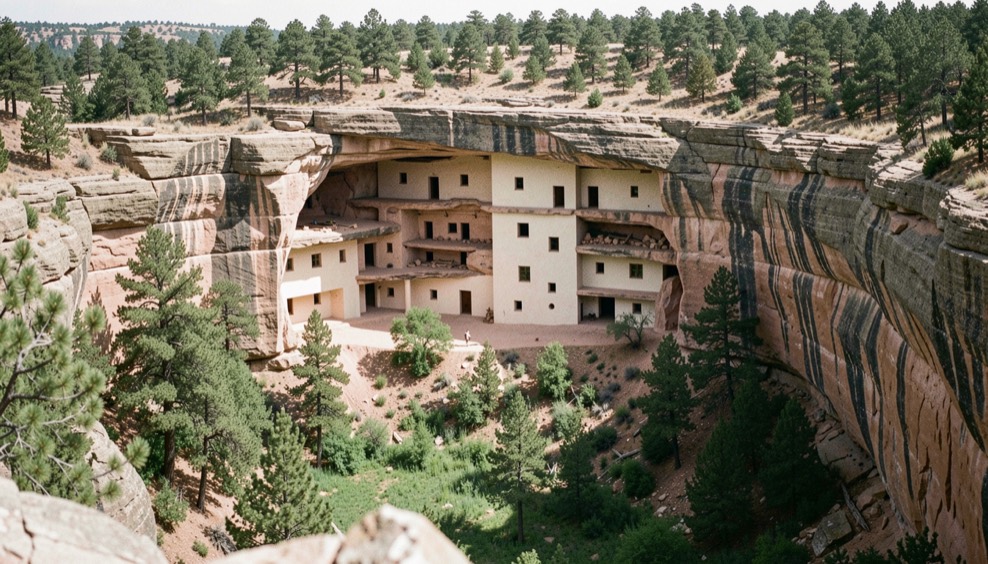
Mesa Verde cliff dwellings: an honest guide
America’s first cultural national park still runs on its own terms: timed tours, ladders, altitude and a thirteenth century street plan. Here is what a prepared visit looks like, season by season and dwelling by dwelling.
-
· Rock Art & Petroglyphs
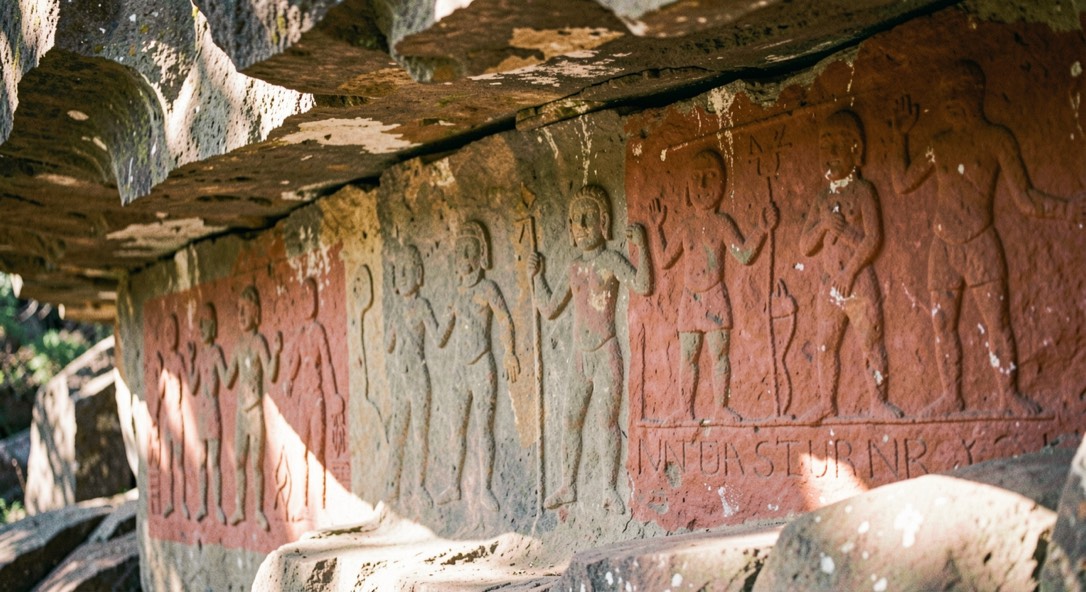
Petroglyphs and pictographs: a primer
Rock art is the Southwest’s oldest surviving graphic art, and it divides cleanly by technique: cut into stone or painted on it. Technique is also the honest place to start, because it dates, attributes and protects the panels.
-
· Visit Responsibly
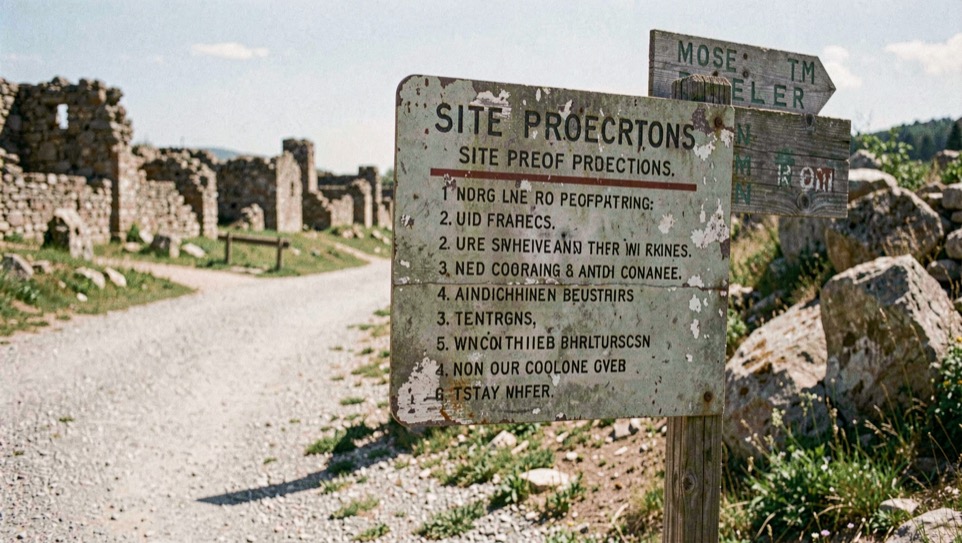
The laws that protect ruins, in plain words
Four federal laws decide what you may touch, photograph, collect and report at a Southwest site. They are shorter and saner than their reputations, and an hour with this guide makes every trail sign legible.
-
· Ancient Peoples
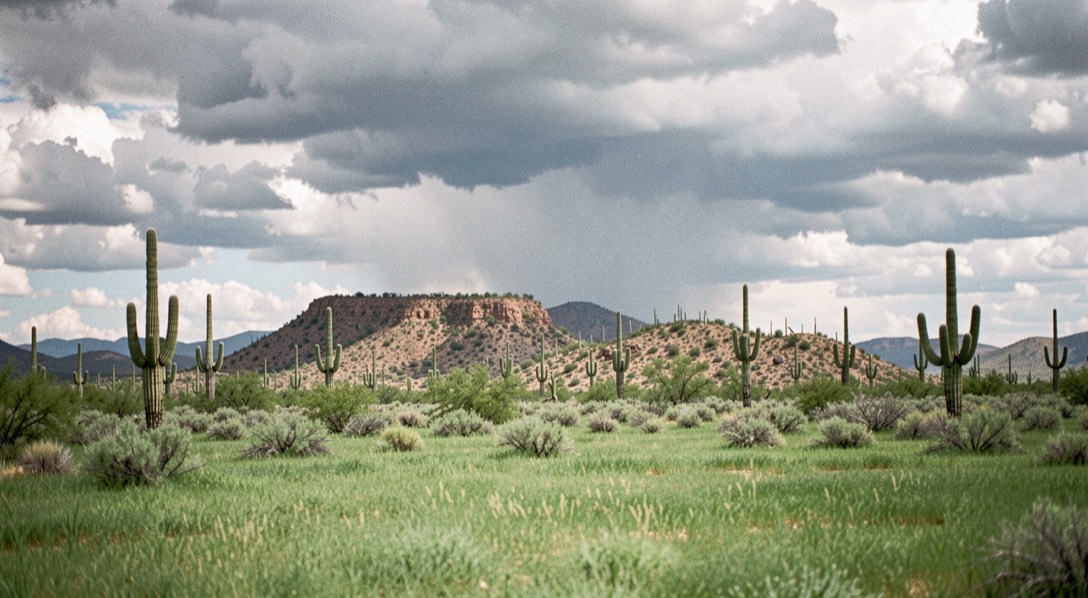
Mogollon, Hohokam and the other Southwests
Guidebooks flatten the ancient Southwest into one pueblo-shaped story. In reality at least four traditions shared the region, and two of them, the Mogollon and the Hohokam, built worlds as impressive as any cliff palace.
-
· Iconic Sites
Choosing between the great ruin sites
Every Southwest itinerary dies of ambition: eight landmark ruins, two weeks, one driver. This comparison sorts the great sites by what they actually demand and give, so you can route a trip that ends satisfied.
-
· Rock Art & Petroglyphs
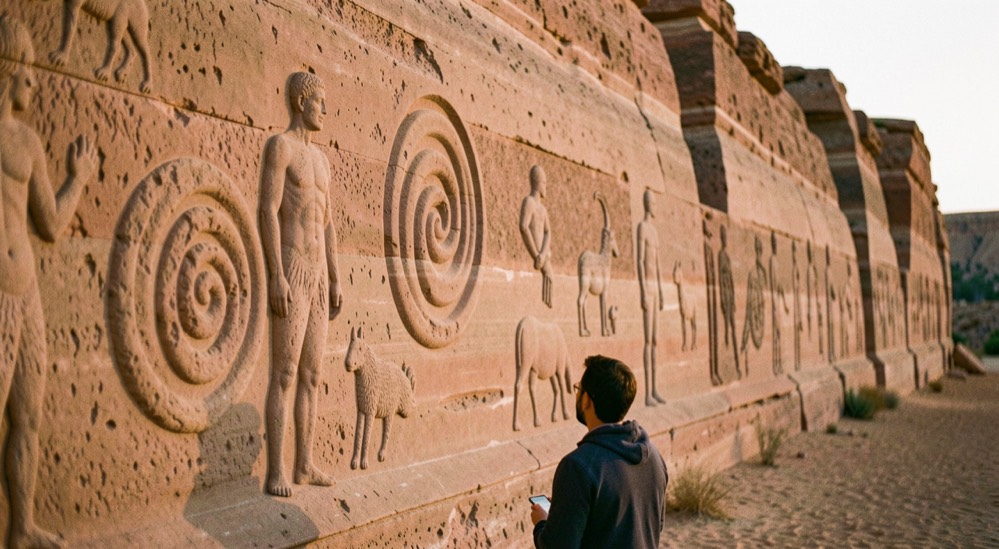
Reading rock art without overreading it
Every gift shop sells a decoder ring for rock art, and every professional archaeologist will tell you the decoder ring is wrong. Here is what careful reading looks like, from confident ground to honest unknowing.
-
· Pottery & Artifacts
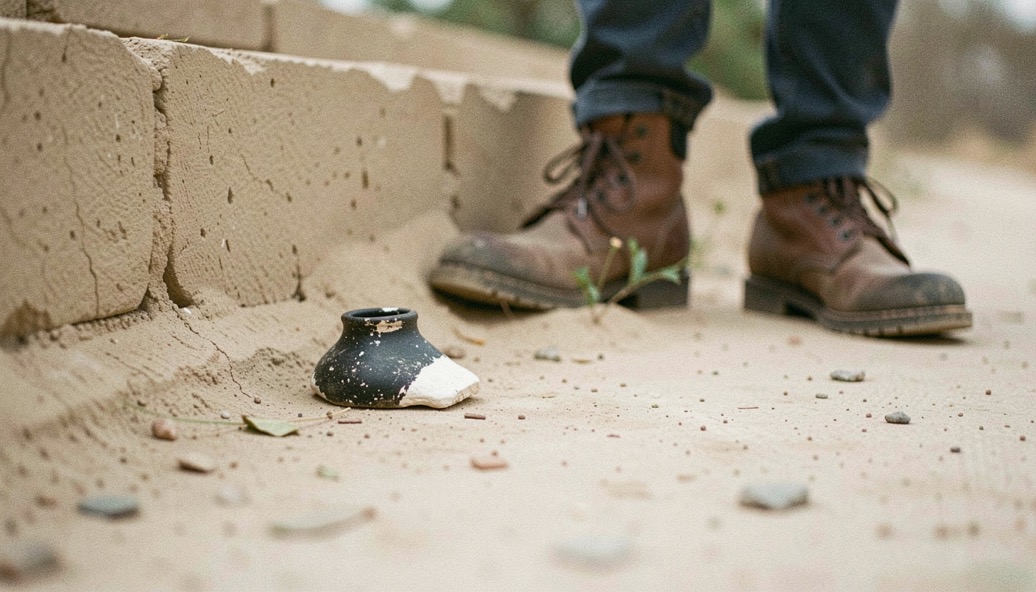
A sherd on the trail: look, record, leave
Sooner or later the Southwest puts a painted sherd under your boot. What you do in the next ten seconds decides whether you are a visitor or a looter, and the right choice is more interesting than the wrong one.
-
· Rock Art & Petroglyphs
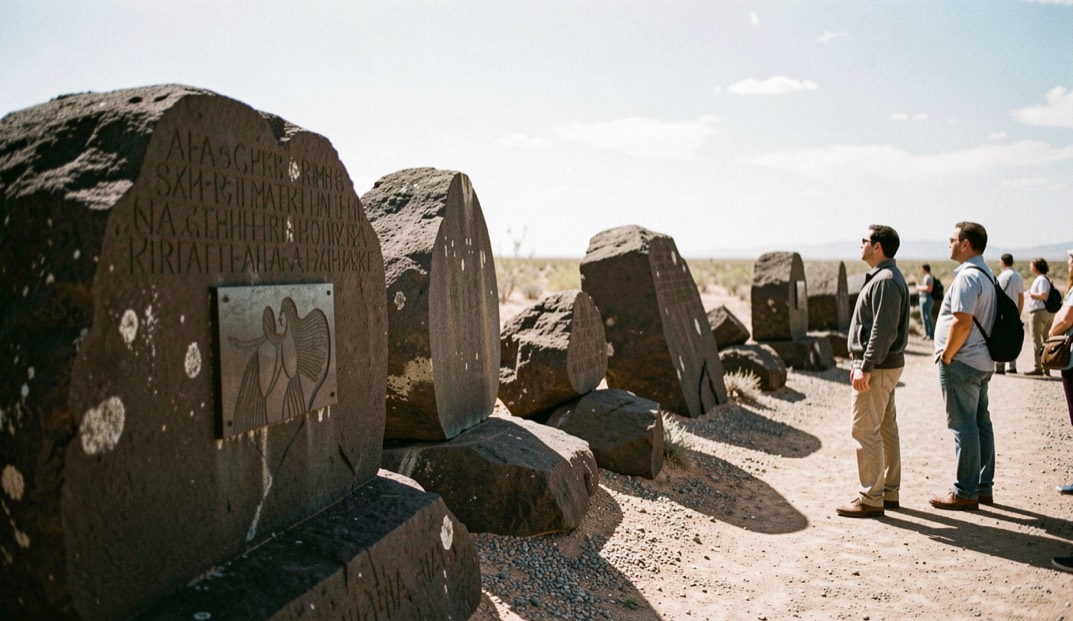
Where to see rock art in the Southwest
Public rock art is easy to visit badly and wonderful to visit well. These six destinations cover every major tradition and technique, and each has rules that are really part of the art.
-
· Pottery & Artifacts
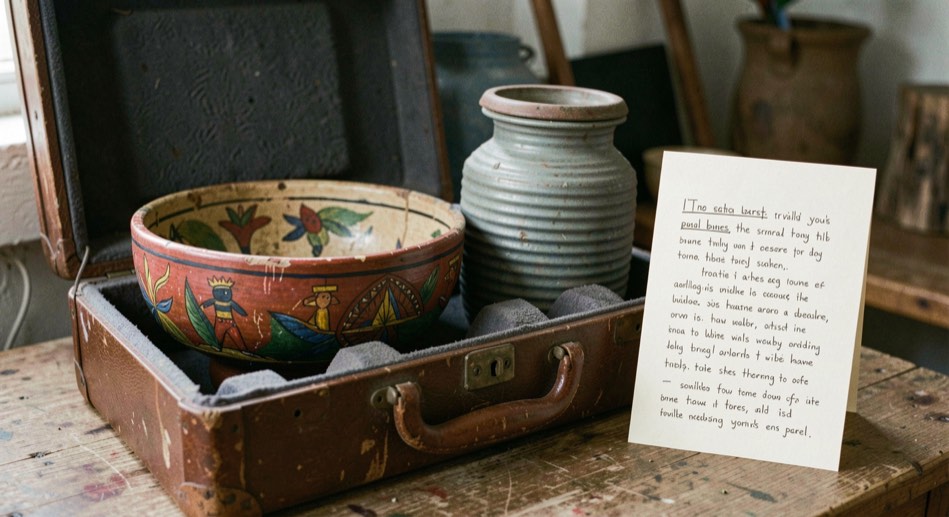
Where to see artifacts, lawfully displayed
The beautiful objects are mostly off the trail, behind glass and behind laws that finally reflect whose ancestors made them. Here is where to see Southwestern artifacts lawfully, and how to read the cases like a curator.
-

· Learning Resources
A starter reading list for the Southwest
The Southwest generates passionate writing the way it generates dust, and most of it is wrong for a beginner. These six books, two syntheses, one canyon study and three journeys, are the ones that still teach.
-
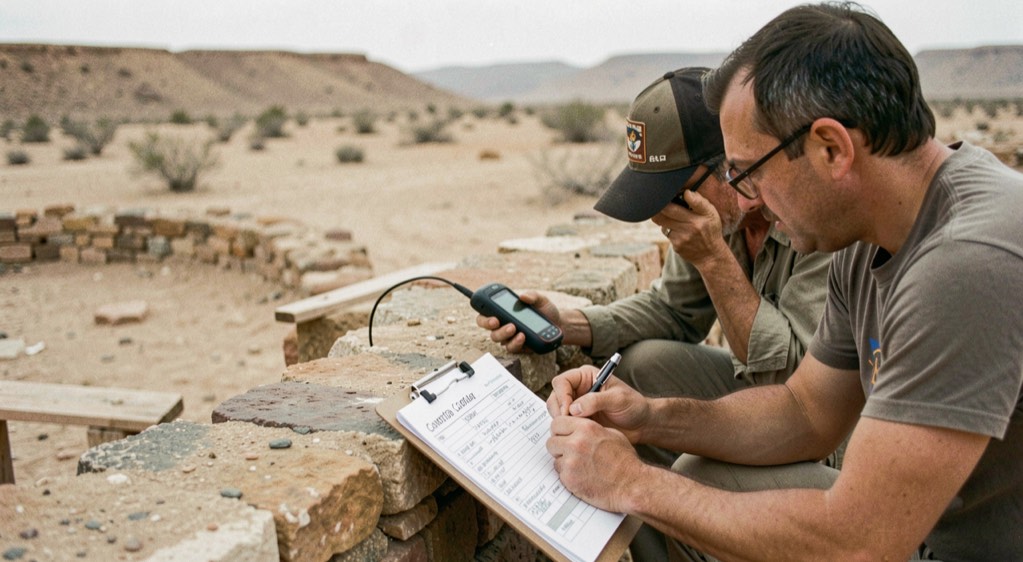
· Learning Resources
Learning archaeology without a shovel
The Southwest runs on trained volunteers. Site stewards walk sites and report damage, avocational programs teach method in the evening, and research centers take amateurs into the field legally. Here is how to join.
REFERENCE PAGESPages to keep close
Five desk references for period names, site scale, marks, pottery and careful learning.
· Ancient Peoples
The Pecos Classification, period by period
Timeline and evidence behind the notebook's period names.
· Iconic Sites
Chaco Canyon: reading the great houses
Rooms, alignments and scale beyond the postcard.
· Rock Art & Petroglyphs
Petroglyphs and pictographs: a primer
A careful distinction between carved and painted marks.
· Pottery & Artifacts
Southwestern pottery types, color by period
Surface, form and type names for reading a sherd.
· Learning Resources
Learning archaeology without a shovel
Ways to learn and record conditions without excavating.
-
The signature page: the Pecos Classification, period by period
The page every other guide leans on: the periods and their dates from Paleoindian hunters to the living pueblos, how tree rings pinned the calendar, and the honest way to use a 1927 scheme in 2026.
Stratum 01 · Ancient Peoples
The notebook keeps one method throughout: real sites, real type names and real timelines, arranged so a traveler can act and a reader can check. The Pecos Classification is the spine; every guide leans on it and every visit traces it. Corrections and field reports reach the desk through the about page, and sponsored placements are governed by the sponsored content rules, never inside a guide's advice.
FIELD CONTEXTBefore the trailhead
A short companion guide for the city, routes and practical conditions that shape a careful Southwest visit.
For the stay and journey around the sites, read the Santa Fe reading guide; its context helps visitors arrive prepared, not treat archaeology as scenery.
Site stewardship has a parallel in the kennel: The Open Gate sorts practical ways of helping a shelter dog by the time, cost and skill each one takes, from sharing an adoptable dog's photo to a season of foster care.
Site survey from a camera on a line predates the drone by a century; Low Altitude Review keeps the method, the maths and the rules readable for anyone who works between the ladder and the aircraft floor.
Anyone who reads tool assemblages for a living can look at The Forge Ledger, a journal that walks through what a forge does to iron and reads the Mastermyr chest as a working toolkit.
A roomful of strangers learning the same steps is its own kind of tradition; the Cincinnati Bop and Swing Dance Guide keeps the steps, the etiquette and the dance halls of the Midwest readable for a first-timer.
For readers used to reading a landscape as a record, Civil War Haiku does the same thing in verse: seventy-nine short poems arranged by ground rather than by date, with the source named on every page.
Every camp needs its evening hour: Il Campari reads the Italian aperitivo the way this notebook reads a ruin, through balance, ingredients and the rules of the room.
A rescue dog settles the way a site does, one careful layer at a time: The Carolina Rottweiler follows adult Rottweiler adoption in North Carolina, from the first thirty days to the legal steps of a placement.